
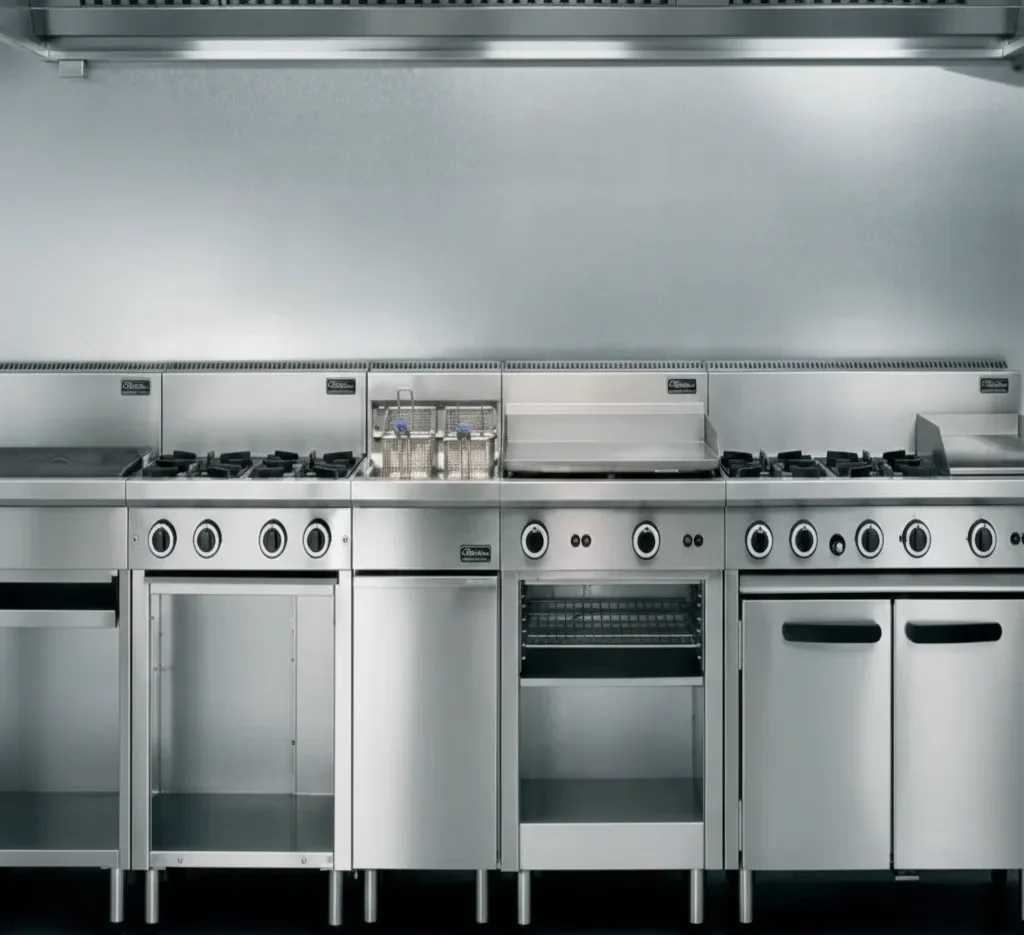
Modular kitchen equipment from CKB Solutions provides efficient commercial kitchen solutions designed to adapt, scale, and support evolving operations.
Restaurants across Australia are increasingly challenged to maintain flexible kitchen operations while meeting evolving customer expectations. Menus continue to shift in response to seasonal produce, dietary preferences, and emerging dining concepts, requiring kitchens to adapt efficiently. Modular kitchen equipment provides a practical solution, enabling restaurants to adjust to menu changes while maintaining consistent performance and operational efficiency.
The Growing Demand for Flexible Commercial Kitchens in Australia
Australian restaurants operate in a dynamic market driven by demand for variety, sustainability, and innovation. As menus expand to include seasonal, plant-based, and specialised offerings, flexibility within the kitchen has become essential, particularly in space-restricted urban venues. This has led to a shift toward adaptable commercial kitchen designs that allow operators to respond to changing trends without costly renovations or service disruption.
How Modular Kitchen Equipment Supports Changing Menus
Modern kitchen design prioritises adaptability, and modular kitchen equipment provides restaurants with the ability to reconfigure their workspace as menu requirements change. Instead of being locked into a fixed layout, modular-designed systems allow operators to adjust equipment placement, add new components, or replace existing units with minimal downtime.
This flexibility supports menu changes by enabling restaurants to:
• Reorganise preparation and cooking zones to suit new menu items
• Introduce additional cooking methods without altering the entire kitchen layout
• Improve workflow efficiency during peak service periods
• Scale operations up or down depending on seasonal demand
By allowing equipment to be rearranged or upgraded as needed, restaurants can experiment with new menu offerings while maintaining consistency in service and food quality.
Cost-Effective Menu Changes Without Major Renovations
Adapting a menu should not require a complete kitchen overhaul. Modular solutions offer cost-effective alternatives that support menu innovation while protecting long-term investment.
• Upgrading Specific Workstations Only – Rather than replacing an entire kitchen fit-out, restaurants can update individual workstations to accommodate new menu requirements. This targeted approach reduces capital expenditure and limits operational disruption.
• Minimising Downtime During Changes – Traditional renovations often require partial or full kitchen closures. Modular solutions allow changes to be implemented quickly, enabling restaurants to continue operating with minimal interruption. This is particularly valuable for busy venues where downtime directly impacts revenue.
• Long-Term Cost Control and Scalability – Investing in adaptable systems allows restaurants to plan for future growth. As menus expand or service models evolve, additional modules can be integrated without the need for major structural changes, helping businesses manage costs more effectively over time.
Commercial Kitchen Solutions Built for Long-Term Success
At CKB Solutions, we understand the importance of designing kitchens that support business growth and operational flexibility. By incorporating modular kitchen equipment into commercial kitchen designs, restaurants can confidently adapt to changing menus while maintaining efficiency, compliance, and quality standards. Our team works closely with hospitality businesses across Australia to deliver tailored kitchen solutions that meet both current needs and future goals.
Contact us to upgrade your commercial kitchen or explore flexible design solutions. Our experienced team is ready to help you create a kitchen environment that supports innovation, efficiency, and long-term success.
Related Blog Articles:
Mastering Commercial Kitchen Design in Hobart: Trends & Tips for Success
Commercial Kitchen Consultancy Hobart: Unlock Smarter Layouts and Workflow Efficiency