
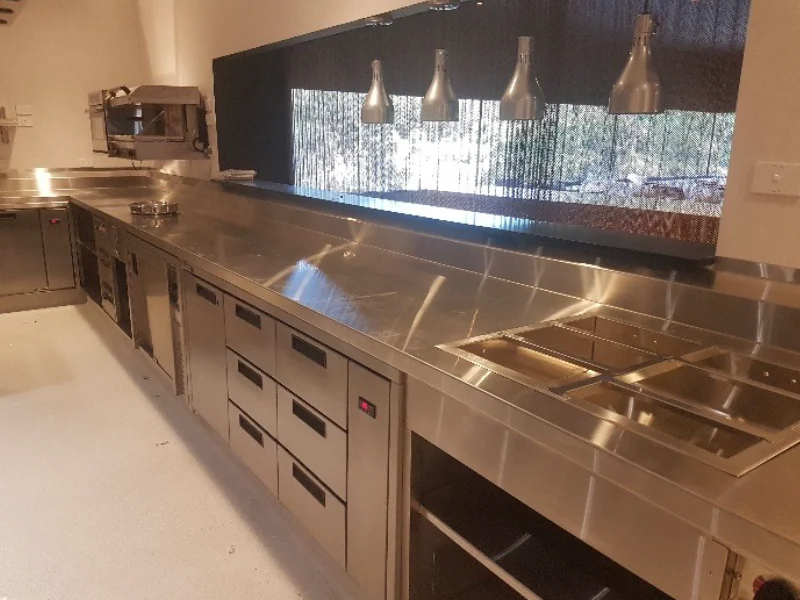
Modular cooking equipment for Tasmanian venues expanding kitchen capacity. CKB Solutions helps match equipment to space, menu and workflow.
CKB Solutions supplies modular cooking equipment for Tasmanian hospitality kitchens that need to increase cooking capability without treating every upgrade as a complete redesign. When service volume grows, adding another appliance wherever space is available can create a fragmented cookline. Modular equipment gives operators a structured way to plan cooking functions around the available footprint, menu and existing services.
Start with the Menu and Peak-Service Demand
More equipment does not automatically create more capacity. First identify which part of the cooking process is limiting output during the busiest service period.
Before selecting modular cooking equipment, consider:
- Menu demand: Identify the dishes and cooking methods responsible for the highest volume during peak periods.
- Existing bottlenecks: Look for stations where staff regularly wait for burner, grill, fryer or preparation capacity.
- Available services: Confirm gas, electrical, ventilation and other service requirements before choosing equipment.
- Physical footprint: Measure the cookline, access paths and clearances rather than assuming another appliance will fit.
- Future changes: Allow for reasonable menu or volume changes without building the kitchen around one temporary requirement.
Our modular cooking equipment range includes gas and electric options intended for operations ranging from small coffee shops to large production kitchens.
Build Capacity Around Workflow, Not Just Appliance Size
A larger appliance can still slow service if its position creates unnecessary movement or conflicts with another station. Equipment selection should be coordinated with food flow, preparation areas, refrigeration, plating and pass locations.
Food Standards Australia New Zealand’s Standard 3.2.3 Food Premises and Equipment requires food premises to provide adequate space for activities and equipment and to facilitate cleaning, sanitising and maintenance. Layout and access are therefore practical food-premises considerations, not simply aesthetic choices.
Choose Equipment for the Actual Operation
Do not choose equipment only by a nominal series or depth. The right specification depends on the individual appliance, available services, production requirements and the rest of the cookline. Check:
- Dimensions and capacity: Confirm that the unit suits the available space and expected production load.
- Power source: Match gas or electric equipment to the services available at the site.
- Cleaning access: Allow staff to reach surrounding areas required by the venue’s cleaning procedures.
- Installation requirements: Coordinate equipment with ventilation, electrical, gas and other relevant trades or approvals.
Our article on how modular kitchen equipment helps restaurants adapt explains the flexibility benefits in more detail.
Coordinate Expansion Before Ordering Equipment
Adding capacity can affect more than the cookline. Extra cooking equipment may change service loads, ventilation requirements, bench space, storage and staff circulation.
CKB Solutions provides commercial kitchen and bar consultation, design, equipment supply, installation and ongoing support. Our project delivery process brings equipment selection into the wider design and procurement programme so the proposed upgrade can be assessed before equipment arrives on site.
Create a More Efficient Commercial Cooking Setup
If your kitchen is outgrowing its current cooking line, we can help assess the equipment mix, footprint and project requirements before you commit to an upgrade.
Contact us to discuss your venue, menu and peak-service bottlenecks. We can help identify modular cooking equipment that fits the operation and develop a practical path towards increasing kitchen capacity.