
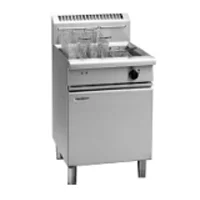
Commercial fryer replacement can restore peak-hour kitchen capacity—compare output, utilities and installation requirements before ordering.
A slow service is not always caused by staff performance. If oil temperature, basket capacity or recovery no longer matches demand, the fryer may be the constraint.
When Does a Commercial Fryer Need Replacing?
Commercial fryer replacement is the process of selecting, supplying and commissioning equipment that better fits a kitchen’s current production needs. Replacement may be justified when the existing unit is unreliable, uneconomical to repair, difficult to clean or consistently unable to support peak periods.
CKB Solutions supplies commercial fryers for hospitality kitchens in Hobart and across Tasmania. Specifications vary significantly by model, so selection should be based on the menu, batch size, utilities and site—not a generic claim that one technology is always superior.
Diagnose the Bottleneck Before Buying
Record how the fryer performs during the busiest service. Useful information includes:
- portions required per hour and typical basket load;
- time taken for oil temperature to recover;
- number and type of fried menu items;
- acceptable separation for allergen or flavour management;
- available gas or electrical supply;
- extraction and fire-safety arrangements;
- cleaning time, oil handling and filtration needs; and
- equipment footprint and access into the premises.
An oversized fryer may waste space or energy, while an undersized unit can reproduce the same queue. If delays originate in preparation, pass layout or staffing, equipment alone may not solve them.
Match the Fryer to the Kitchen
Compare rated output and recovery data for the exact models under consideration. Decide whether separate vats are useful for menu control and whether floor-standing or benchtop equipment suits the production volume.
Utility compatibility is a firm constraint. Confirm electrical phase and load, gas type and capacity, ventilation, clearances and drainage requirements before approving an order.
CKB Solutions’ commercial kitchen design process can help align equipment selection with workflow, delivery, installation and commissioning. Where a like-for-like replacement is not practical, early site assessment reduces the risk of discovering access or service limitations after purchase.
Plan the Changeover
A replacement plan should establish who disconnects and removes the old unit, who completes licensed service work, how the fryer enters the kitchen and when staff can resume production. Also confirm commissioning, operating instructions, cleaning procedures and warranty contacts.
Schedule around quieter trading periods where possible and identify a temporary menu if downtime cannot be avoided. New equipment should only be used after required installation and safety checks are complete.
Request a Site-Specific Recommendation
Provide the make and model of the existing fryer, photographs, dimensions, utility details, current output problem and target service volume. Include the venue address and preferred changeover window.
Contact CKB Solutions to compare suitable fryer options and coordinate the next step. A clear operational brief lets the team recommend equipment for the real bottleneck, helping your Hobart kitchen pursue faster service without relying on unsupported savings or performance promises.