
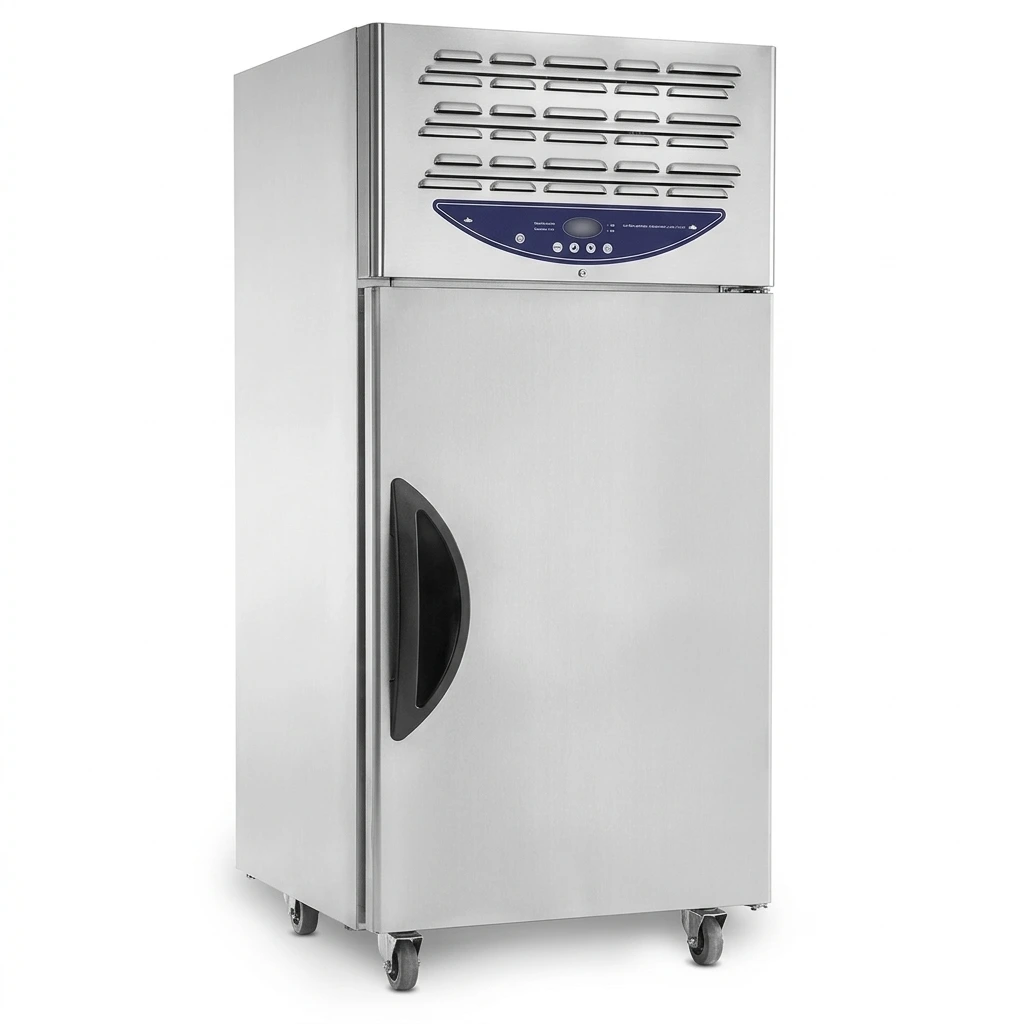
Plan blast chiller installation in Hobart around capacity, placement and food flow. Talk to CKB Solutions about your commercial kitchen.
Blast chiller installation in Hobart works best when it is planned as part of the kitchen workflow, not bought as a stand-alone unit. Capacity, placement, power supply and the route food takes from the oven to cold storage all affect how the machine performs. Planning within a commercial kitchen design and installation process lets you consider these together, so cooked food can move through each stage with the right temperature controls.
How Does Blast Chiller Installation in Hobart Improve Kitchen Workflow?
A well-placed blast chiller gives cooked food a short, direct route from cooking to cooling to cold storage. That means less handling and an easier path to meeting your cooling times.
- Food flow: Cooked food moves from the cooking line to the chiller and then to refrigerated storage without detours.
- Controlled cooling: FSANZ guidance on cooling food describes cooling potentially hazardous food from 60°C to 21°C within two hours, then to 5°C within a further four hours. It also says another method can be used if you can show it keeps food safe.
- Cold storage protection: Chilling hot food in a dedicated unit keeps it from raising the temperature inside your storage refrigerators.
- Batch production: Selected foods can be prepared ahead of service.
- Temperature checks: Where the unit has a core probe, staff can check food temperatures during the cycle.
How Do You Match Chiller Capacity and Placement to Production?
Size the machine for your busiest cooling load, not for the total amount of food prepared in a day. Our blast chiller and freezer range runs from compact models with 15 kg of chilling per cycle to trolley systems handling up to 320 kg per cycle, in roll-in, reach-in and underbench cabinets.
- Peak load: Work out how many kilograms and trays enter the chiller at the same time.
- Tray compatibility: Confirm GN tray sizes, pan depths and spacing, and check the fit with your ovens and production trolleys.
- Chilling and freezing: Rated capacity can differ between rapid chilling and shock freezing, so assess each duty separately.
- Access: Leave room for loading, door swing, trolleys, cleaning and servicing without blocking working aisles.
- Airflow: Avoid overloading trays or placing the unit where nearby heat or restricted ventilation can reduce performance.
What Does Installation Involve?
Blast chiller installation in Hobart depends on the model’s power, clearance and drainage requirements, so confirm any premises alterations with the City of Hobart and relevant advisers. Commissioning should check the controller, seals, probe, drainage and programmed cycles before testing with a representative food load. Once properly cooled, food should be labelled and promptly moved to suitable refrigerated or frozen storage.
Plan Your Blast Chiller Installation in Hobart with CKB Solutions
CKB Solutions designs, supplies and installs commercial kitchen and bar equipment in Hobart. We can help with blast chiller installation in Hobart by matching chiller capacity, tray configuration and installation requirements to your kitchen’s production flow. Good selection and commissioning support efficient food movement, but compliance still depends on how the kitchen operates the unit day to day.
Contact us to get a quote or to talk through blast chiller selection and installation for your kitchen.